
by Christine N. Lee
Each of us is shaped by a unique set of life experiences, beliefs, and habits. As a result, no two brains – and no two leaders – are alike. Our biases and internal “mental maps” influence how we interpret data, make decisions, and assess risk. They often blur the line between our subjective perceptions and so-called objective truth, as noted by Dr. Colleen Lightbody.
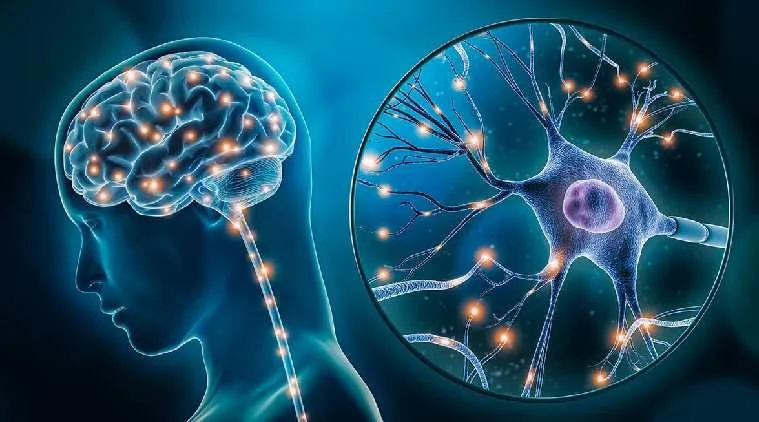
The power of neuroplasticity — the brain’s ability to change, adapt, and reorganize itself throughout life – is that leaders are not fixed. With intentional practice, we can rewire habitual patterns of thinking, decision-making, and behavior. We can build new capabilities, strengthen emotional regulation, and create healthier default responses under pressure. Even long-standing patterns can evolve when approached with focus and discipline.
Image Credit: Ruby Hall Clinic
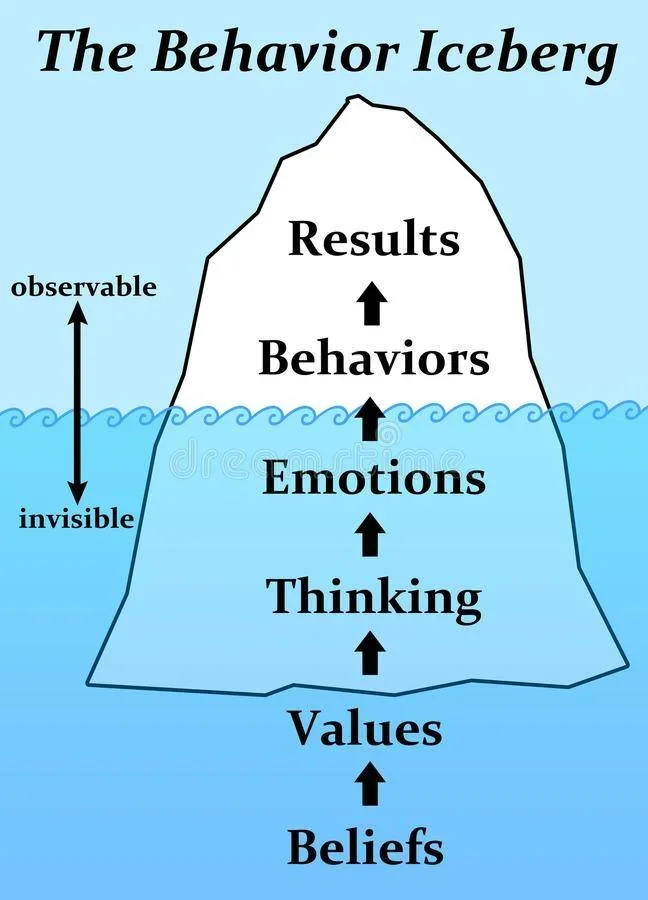
This work requires courage – and often a skilled thought partner – to examine what may truly be driving performance and outcomes. What assumptions are shaping strategy? What self-narratives influence executive presence? Which emotional patterns surface under stress? And perhaps most importantly, how can we create the safe space to challenge and refine those patterns in service of growth?
Interpersonal neurobiology, a term coined by Daniel J. Siegel, describes the mind as both embodied (rooted in the brain and nervous system) and relational (shaped through interaction). So finding the right thought partners to engage in this process with can be critical to leveraging neuroplasticity towards holistic growth and impact.
For leaders, this also underscores a critical truth: performance and culture are co-created through partnership with others. By intentionally growing mindsight and integration, leaders can increase clarity, resilience, and relational alignment – and those capacities multiply within high-performing teams.
Further, in leadership, focus is power. And as David J. Schwartz suggests, expectation shapes reality. So creating structured space for deep thinking – attention density directed toward meaningful outcomes – can be
transformative. When leaders intentionally direct their attention and engage in disciplined, mindful practice, they strengthen new neural pathways - supporting the development of new leadership patterns and identity narratives.
This is both a responsibility and an opportunity. Leaders who do this work of focused and intentional growth, do more than improve performance – they elevate culture. When Leaders Thrive, organizations – and families – thrive with them.
